Gold bracelets are one of the most misunderstood purchases in jewellery. Buyers often focus on how a piece looks in a photograph — not its weight, construction, or whether it will hold up to daily life. This guide explains what actually matters before you buy.
Gold bracelets are priced primarily by weight. A heavier bracelet contains more gold and costs more — but it also feels more substantial on the wrist and is generally more durable. Here is what to expect:
| Category | Typical Weight | Price Range | İçin En İyisi |
|---|---|---|---|
| Hafif | 3 – 6g | From ~£250 | Daily wear, office, gifting |
| Mid-weight | 7 – 12g | ~£580 – £1,000 | Regular wear, occasions, layering |
| Statement / Occasion | 13 – 25g+ | ~£1,100 – £2,100+ | Shaadi, mehndi, special celebrations |
| Men’s bracelets | 10 – 30g+ | From ~£850 | Daily wear, wedding, statement |
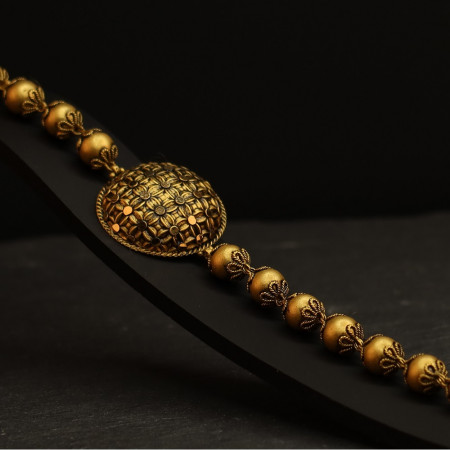
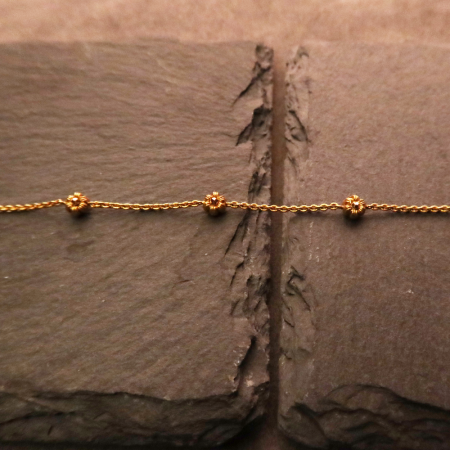
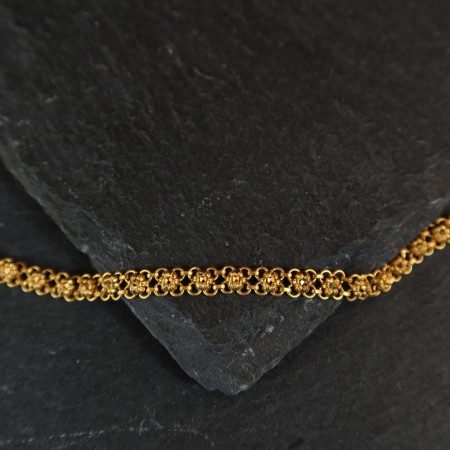
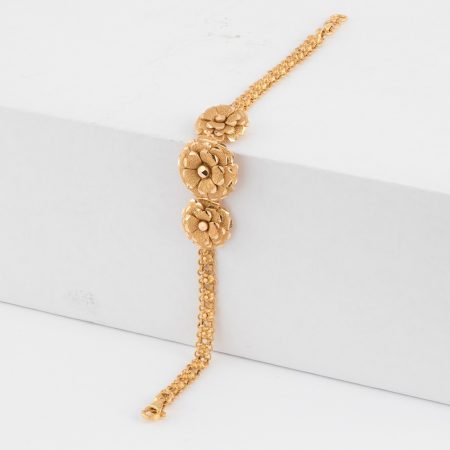
The style of bracelet you choose affects how it wears day-to-day — not just how it looks. Here is a practical breakdown of the main styles in our ladies collection:
Bracelet length is measured around the wrist, with a small amount of allowance for comfortable movement. Most ready-made bracelets are 17–18cm for women and 19–21cm for men. Here is how to measure:
Not sure? Most PureJewels bracelets can be adjusted by one link either way. If you are between sizes, order the larger size — it is easier to remove a link than to add one.
This question comes up constantly — and the answer is simpler than most people expect.
A lightweight chain bracelet (3–6g) is the most popular Eid gift for daughters, sisters, and nieces. Elegant, practical, and a real keepsake. A charm bracelet with a meaningful initial or religious symbol adds personalisation without extra cost.
At a South Asian wedding, the bride’s bracelets are part of the saat lakh — the traditional gold set gifted before the ceremony. A heavier gold paunchi or matched bracelet set (usually 15–25g per piece) is expected. These are coordinated with the bridal necklace and earrings.
Gold bracelets are gifted across milestone birthdays (18th, 21st, 50th), new jobs, exam success, and new arrivals in the family. A 5–8g ladies chain bracelet hits the right balance of meaningful and not overly extravagant.
Gifting gold during Diwali is considered auspicious — Dhanteras (the day before Diwali) is the single biggest day for gold purchases in the UK South Asian community. A bracelet is a practical and lasting gift that is worn long after the festival ends.
Gold bracelets are known across UK communities as:
A typical ladies daily wear gold bracelet weighs 3–6g. Mid-weight bracelets for regular wear or gifting run 7–12g. Statement and bridal bracelets start at 13g and can reach 25g or more. Men’s bracelets are generally heavier — 10–30g depending on style. All our product listings show the exact gram weight so you can compare across the range.
Measure your wrist circumference and add 1–1.5cm for a snug daily wear fit, or 2–2.5cm for a looser, dressier feel. Most women’s wrists fall between 15–17cm, making a 17–18cm bracelet the right choice. Men’s wrists typically fall between 17–19cm — a 20–21cm bracelet sits comfortably. If you are unsure, order the longer size. We offer a free first-order exchange.
A bangle is a rigid, circular piece that you slide over the hand — it has no clasp. A bracelet has a clasp or is flexible, wrapping around the wrist and fastening. Bangles are the traditional form in South Asian jewellery (kangan, churi, kada); bracelets are the clasp-fastening Western form. Both are available at PureJewels, listed separately under their own categories.
Pure 22ct gold does not tarnish or rust in water, so an occasional shower will not damage it. However, prolonged exposure to shower gel, shampoo, and soap will dull the surface finish over time. Chlorine in swimming pools is more damaging and should be avoided. The safest habit is to remove the bracelet before showering, bathing, or swimming, and to rinse it monthly with clean warm water and mild soap to keep it looking its best.
Remove before vigorous exercise, gardening, or heavy manual work. Clean monthly with warm water and a few drops of mild washing-up liquid — use a soft toothbrush on textured or linked areas. Dry thoroughly before storing. Keep in the original box or a soft cloth pouch, separate from other pieces that could scratch it. A professional clean and polish every one to two years will restore the original finish.
Shopping cart is empty!