

Let’s not forget our November-born fellows, we are here to introduce you to your birthstone Topaz and educate you all about it. Honey yellow, fiery orange, ecstatic pink, or cool blue, you will find Topaz in various colours as well as colourless variety. This stone is truly versatile to suit your style and budget. The rarest colours are natural pink, red, and fine golden orange, sometimes with a pink tone. Usually, gemstones are valued based on their clarity or size but topazes are priced as per their colour. It is a pleochroic stone, which means that it can show two different colours based on different crystal directions.

Colours in Topaz
Many gemstones get their beautiful colours due to their allochromatic nature, which means the colours are caused due to impure elements or defects in the crystal structure instead of its basic chemical composition. The colours like pink, red, and violet/purple in topaz are caused due to chromium in its structure. The atomic-level impurities can cause colours like yellow, brown or blue. Blue topaz is further divided as London blue topaz, Swiss blue topaz, Sky blue topaz and colourless ranging from the highest saturation of blue to the lowest. A lot of times people confuse brown topaz with smokey quartz which is a completely different gemstone and not related to topazes. A colourless variety of topazes are often heat-treated to turn into blue colour as the colourless is not very popular in the market. The trade often defines a stone and gives them various names based on their aesthetics also known as trade names like Imperial topaz (colour ranging from medium red-orange to orange-red) or sherry topaz (colour ranging from yellowish-brown to brownish yellow to orange, similar to sherry wine) These are classified as precious topazes and highly valued due to its hue, saturation and rarity.
Topaz in our history
This birthstone’s history is not just associated with one country or civilisation. Often believed that the word Topaz has been derived from Tapas, a Sanskrit word, which means Fire. And the Greeks believe it to be derived from their word Topazos. Greeks also believed topaz gave them strength. Topaz was known to dispel anger and magic spells during the 1300s to 1600s by the Europeans. On the other hand, Indians understood that topaz worn above the heart as a topaz pendant assures long life, radiant beauty and intelligence. The most sought-after Imperial topaz ranging in pink-orange colour hue has an aristocratic cachet. Russians also believed the name came from the Russian royal family’s insistence on keeping the colours of this stone exclusively for their use, which was mined from the Ural Mountains of Russia. Brazil was another country to contribute to its history as a visit in 1881 by a Brazilian Emperor to Ouro Preto, the town gifted him a reddish topaz. This birthstone has always been a part of our rich history and adds great value to our beliefs.

Formation and Origin Story
These beautiful baubles are found in various countries all around the world. The major source of topaz is a state in Brazil called Minas Gerais. It is the most important source of top-quality topaz being mined for over two centuries. Majorly colours like yellow-orange, pink, red, violets etc are found in its mines. There are also other places like Ouro Preto in Brazil where this gem is found. Coming to Asia, Northwestern Pakistan also mines particularly pink topazes. Other sources of topaz in various colours include Sri Lanka, Mexico, Myanmar, Madagascar, Nigeria, Namibia, the United States and also a few places in Russia.
Topaz vs Quartz, how are they different?
There are various varieties and species of gemstones which have been classified in recent years with the evolvement of gemology. Often people get confused between different species as they look identical or the colour has a very minimal difference. Many gemstones like aquamarine are confused with topaz, quartz is confused with topaz, or even spinel is confused with rubies. Here, we’ll help you understand the difference between the most common confusion which is topaz and quartz. Usually, brown, yellow or orange topaz stones are either assumed as quartz due to their abundance and inexpensive value. Yellow topaz as citrine or smokey quartz as brown topaz and vice versa. Topaz has different physical and optical properties than quartz, most notably greater hardness and brilliance. Quartz and topaz are distinctively different gem species, they are different chemical compositions and physical and optical properties. So which one is better? Well, there is no better or worse. Topaz being a birthstone is the choice here for your upcoming November birthday.

How to style your birthstone everyday
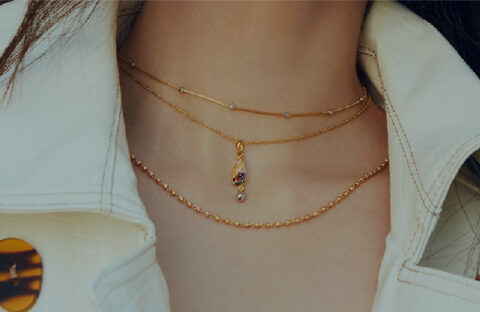
We all know how important our birthdays are, we long to celebrate them, and we read our horoscopes to know more about how much significance our birthdate holds. Similarly, we also love to embrace our birth month by adorning our birthstones. Birthstones are preferred to be worn every day. Let us help you understand how to adorn November’s Birthstone – Topaz for you to wear every day with whatever you wish to wear. It is important to look for the type of jewellery that is comfortable to wear like rings or bracelets or pendants, something that you don’t need to remove often, but if you have to then it’s easy to wear again. Topaz is a versatile stone thanks to it being available in various colours helps to suit everyone. Choosing a warm coloured topaz with yellow gold or rose gold is a good option to wear every day. Blue topazes are perfect in a white gold setting surrounded by some diamonds as a halo. A dainty 18ct yellow gold topaz bracelet along with a pair of blue denim and a white shirt is perfect for an easy-breezy casual look this summer afternoon. Gift your loved ones those pair of topaz earrings for their November birthday to suit their style. Style your 18ct white gold diamond and topaz pendant as a layered necklace along with another chunky chain as an element to that summer dress at a picnic. Whatever you pair your jewellery with, make sure to feel elevated and confident in your skin. Remember to own that style and how it represents you.
Treatments to enhance the stone
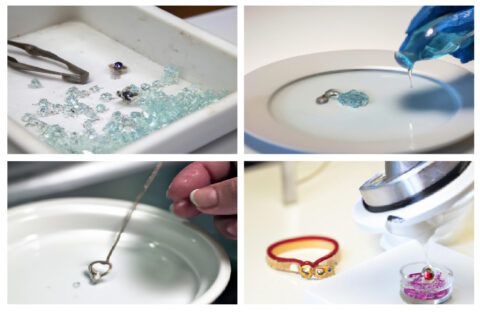
Treating gemstones is a common and acceptable practice in the trade as it helps to increase the clarity and colour of stones which in turn yields better economic value. Topazes are fairly known as an inexpensive blue gems but not a lot is said about the fact that the blue colour is created by external treatments. The colourless topazes, light blue coloured ones or brown gems are heat-treated to enhance the colour. Darker the colour yields a better value of the stone. There are also other types of treatments like coating. Mystic Topaz is merely a colourless topaz which is coated with a thin iridescent artificial film to create the look.


Frequently asked questions
What different colours does topaz come in and how is its value determined?
Topaz is a highly versatile gemstone that comes in a wide array of shades, including honey yellow, fiery orange, ecstatic pink, cool blue, and even colourless varieties. It is a pleochroic stone, meaning it can display two different colours depending on the crystal direction from which it is viewed. While many gemstones are valued on clarity or size, topaz is uniquely priced according to its colour.
The rarest and most expensive colours are natural pink, red, and fine golden orange, which sometimes carries a pink tone. Highly valued precious varieties include Imperial and sherry topaz. Additionally, atomic-level impurities or treatments can create yellow, brown, or blue shades. Because colourless topaz is not very popular, it is frequently heat-treated to create the sought-after blue varieties commonly found on the market today.
What is the history of the topaz gemstone and what did different cultures believe about it?
Topaz has a rich history that spans multiple cultures and civilisations. The name itself is believed to derive either from ’Tapas’, a Sanskrit word meaning fire, or from the Greek word ’Topazos’. Throughout history, different civilisations have attributed powerful properties to this beautiful birthstone. For instance, ancient Greeks believed that wearing topaz gave them strength, making it highly prized.
Europeans during the 1300s to 1600s thought the stone could dispel anger and break magic spells. In India, it was understood that wearing a topaz pendant positioned above the heart would assure the wearer of a long life, radiant beauty, and intelligence. The stone also holds royal connections; the Russian royal family kept the rare pink-orange Imperial topaz exclusively for their use, and a Brazilian Emperor was gifted a reddish topaz in 1881.
Where in the world is topaz naturally formed and mined?
Topaz is formed naturally and mined in several countries across the globe. The single most important source of top-quality topaz is Minas Gerais, a state in Brazil. This famous location has been producing premium gemstones for over two centuries, with its mines yielding sought-after colours such as yellow-orange, pink, red, and violet. Another notable location within Brazil where this gemstone is sourced is the town of Ouro Preto.
Beyond South America, topaz deposits are scattered across Asia, Africa, and North America. In Asia, northwestern Pakistan is particularly well-known for mining beautiful pink topazes, while Sri Lanka and Myanmar also serve as notable sources. Additionally, topaz is mined in Mexico, Madagascar, Nigeria, Namibia, the United States, and several locations within Russia. This widespread distribution ensures a rich global supply of this versatile, colourful birthstone.
How do you tell the difference between topaz and quartz?
Topaz and quartz are often confused because they can look identical or have very minimal colour differences. People commonly assume brown, yellow, or orange topaz stones are quartz because quartz is highly abundant and relatively inexpensive. For instance, yellow topaz is frequently mistaken for citrine, while brown topaz is often confused with smokey quartz. Despite these similarities in appearance, they are entirely different gemstone species.
Topaz and quartz have distinct physical and optical properties, as well as completely different chemical compositions. Most notably, topaz boasts a much greater hardness and brilliance than quartz, making it stand out under close inspection. While neither gemstone is objectively better or worse than the other, topaz remains the traditional birthstone choice for November. Understanding these differences helps buyers identify genuine topaz and avoid confusing it with quartz.
What are the common treatments used to enhance topaz stones?
Treating gemstones is an acceptable and common trade practice used to improve their colour and clarity, which ultimately increases their economic value. While topaz is widely recognised as an inexpensive blue gemstone, this vibrant blue colour is actually created through external treatments. Naturally colourless, light blue, or brown topaz stones are heat-treated to enhance their saturation, as darker shades yield a higher market value.
Aside from heat treatment, other enhancement methods like coating are used in the jewellery industry. For example, the popular gemstone known as Mystic Topaz is not naturally multi-coloured; it is actually a colourless topaz that has been coated with a thin, artificial iridescent film to create its unique rainbow look. These treatments allow jewellers to offer a wider variety of vibrant, eye-catching stones that remain highly budget-friendly.