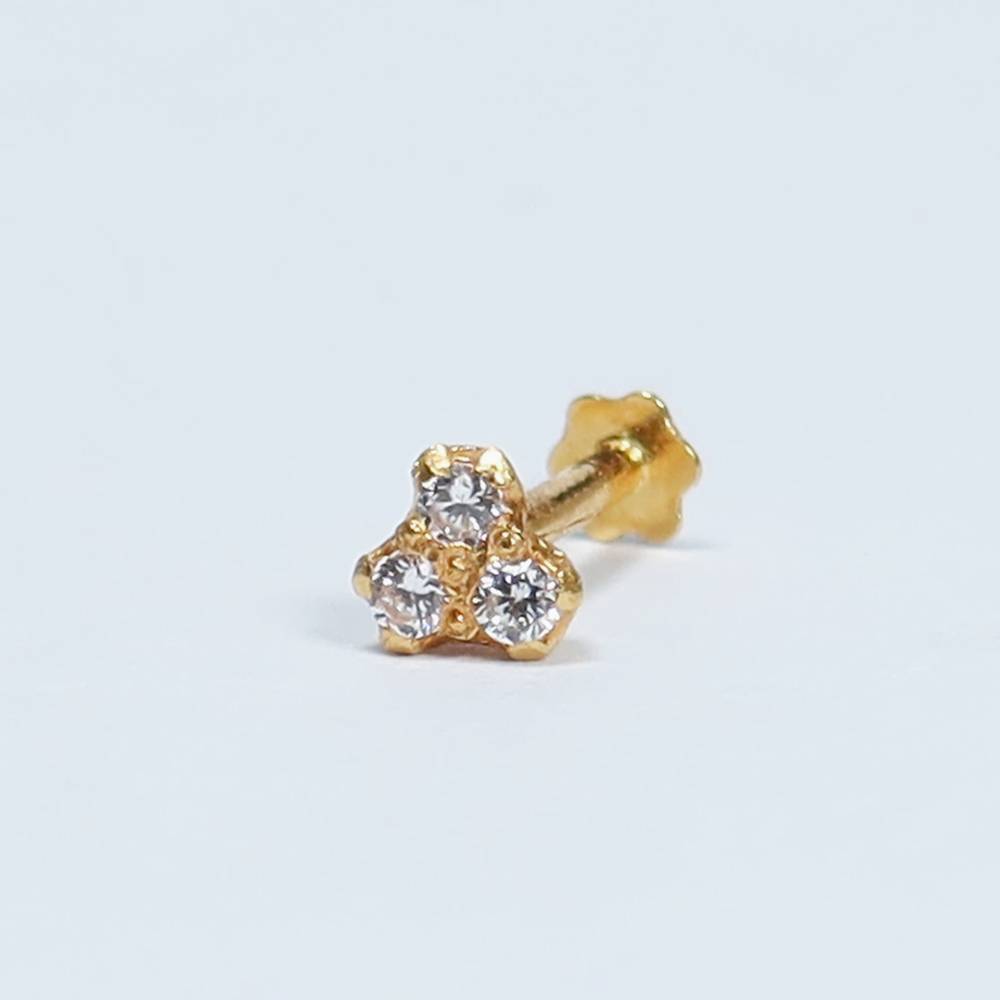

Gold Nose Studs

Home » Gold Jewellery » Nose Jewellery » Gold Nose Studs

A gold nose stud is one of the most frequently purchased pieces of fine jewellery in South Asian communities in the UK and one of the easiest to get wrong. The gold purity affects skin sensitivity. The post type determines whether it stays put. The stone quality drives the price. Here is what each one means before you buy.

1–24 Products of 51 ProductsSorted by latest

Filters
Sort by

Gold Purity for Nose Studs — Why It Matters

Nose studs sit on skin for long periods. Lower-carat gold (9ct) contains more alloy metals, which can cause irritation for people with sensitive skin or a fresh piercing. 22ct gold — 91.6% pure — is the traditional South Asian choice for nose jewellery and is gentler against the skin.


Gold Type

Purity

Skin Sensitivity

Best For

22ct

91.6%

Low — high purity gold

Traditional South Asian styles, daily wear

18ct

75.0%

Generally fine

Contemporary or stone-set designs

9ct

37.5%

Higher alloy content — check if sensitive

Fashion nose jewellery


Fitting Types — L-Shaped, Screw-Back, or Straight Pin

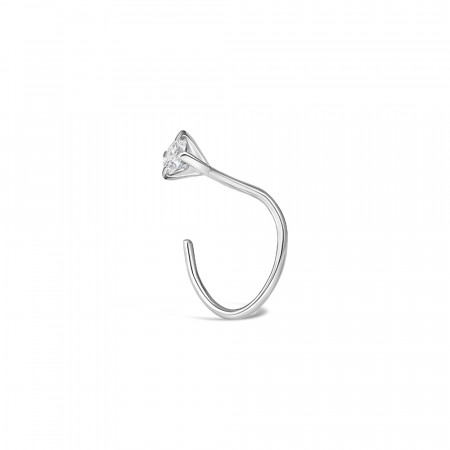
  • L-shaped (L-pin) — the post bends at a right angle to hold the stud. Easy to insert and remove. The most common fitting in UK South Asian jewellery
  • Screw-back — the post spirals; you twist it in for a very secure fit. Good for people who lose studs easily. Takes practice to insert
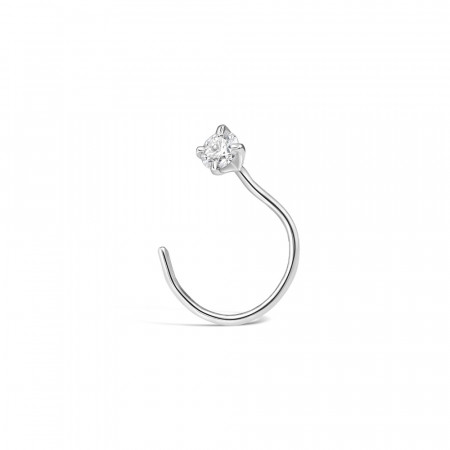
  • Straight pin (bone stud) — a straight post with a small ball at the end. Simple, but can work loose more easily than the other two

Not sure which fits your piercing? Bring in an existing stud or call 020 8586 0610 — our team can advise.

Stone Options — Plain Gold, Diamond, or CZ

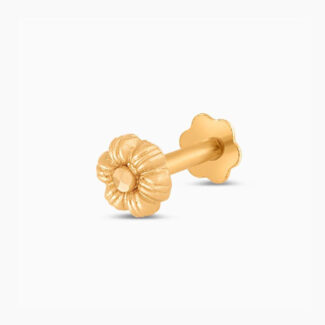
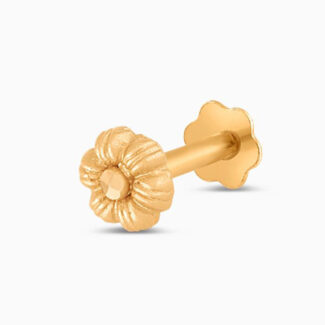
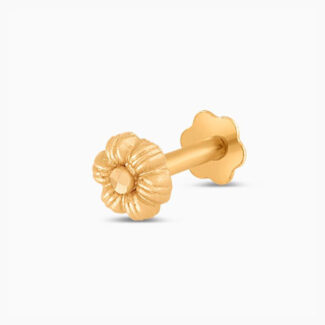
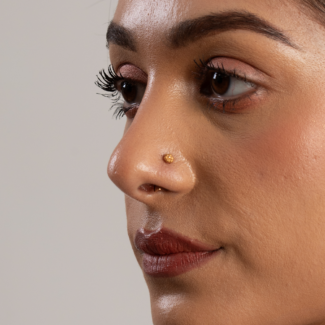
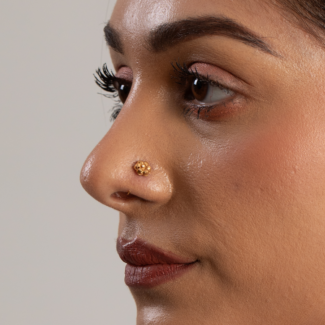
  • Plain gold — a small dome or ball in 22ct gold. Classic, traditional, and most affordable. Often called a nath stud or nath ka phool
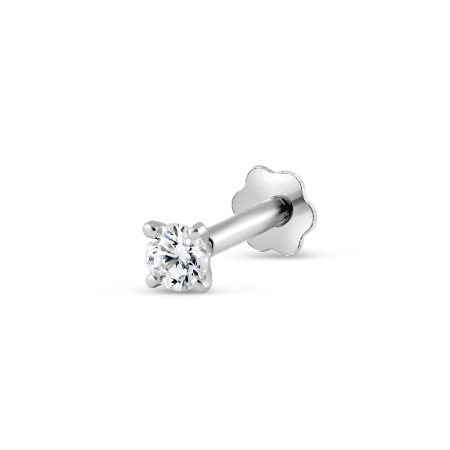
  • Diamond nose stud — a real diamond (brilliant or round cut) set in gold. The stone holds independent value. “Diamond nose pin” is the same thing
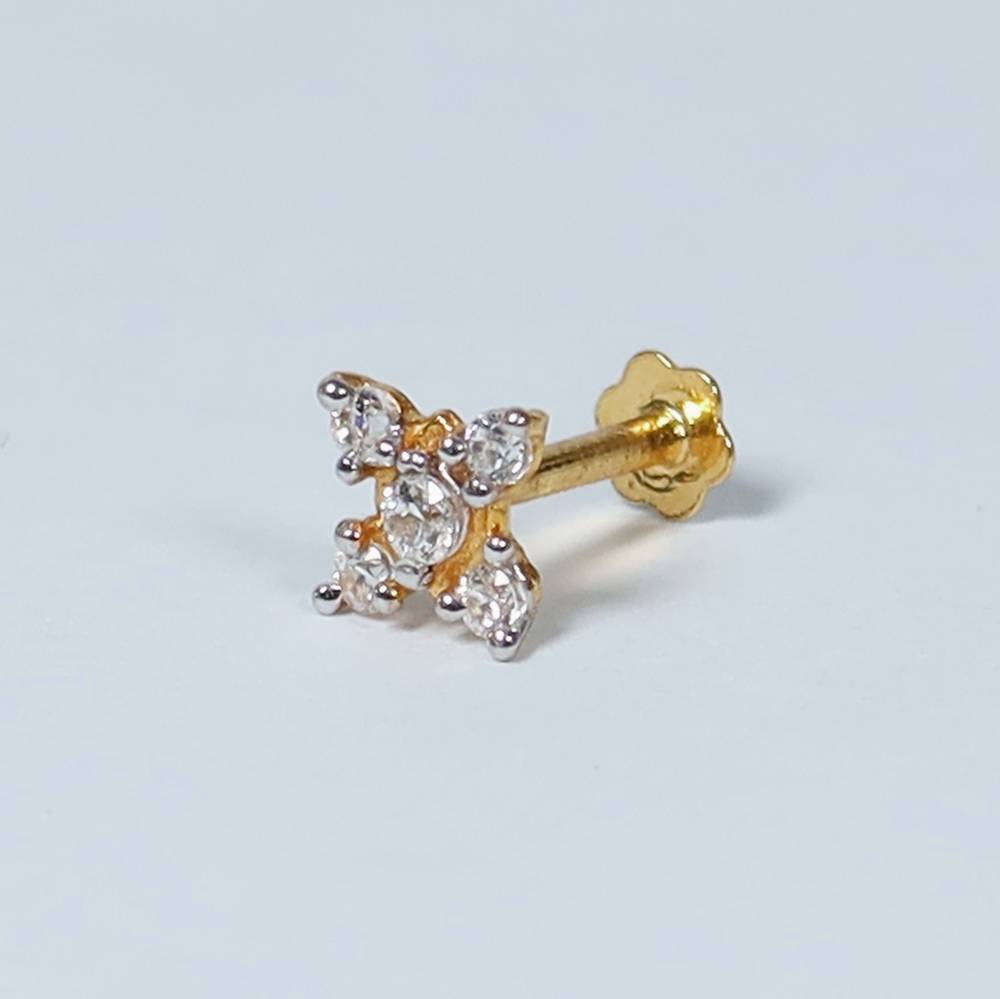
  • Cubic zirconia (CZ) — a diamond simulant. Similar visual appearance at a lower price. Not a diamond; ask the seller to confirm which you are buying

What to Watch Out For

  • Hallmark — look for 916 or 750 on the piece. For very small studs, the hallmark may legally appear on the packaging card rather than the piece itself. Ask to see it
  • Post gauge — standard UK nose piercing gauge is 0.8mm or 1mm. If the post is too thick or too thin, the stud will not fit. Check the product listing or confirm in store
  • “Diamond” claims — confirm whether the stone is natural diamond, lab-grown diamond, or CZ. Three very different price points

Also Known As — Regional Names & Search Terms

  • Nath — general Punjabi/Hindi term for nose jewellery (ring or stud)
  • Nathni — small nose ring or nose stud (diminutive form)
  • Phool — literally “flower”; used for floral-design nose studs
  • Laung — clove-shaped nose stud, common in some regional traditions

Frequently Asked Questions

With clean hands, hold the stud stone-side out. Insert the straight end of the L into the piercing at an angle, then rotate so the bend sits snugly against the inside of the nostril. For a full step-by-step guide, see: How to Insert an L-Shaped Nose Stud →

Yes. All gold nose studs are hallmarked at the London Assay Office. For very small pieces where stamping on the stud itself is impractical, the hallmark appears on the accompanying card — which is legal under UK hallmarking rules.

Explore Related Categories:

  • Menu
  • Categories
Close
Home
Filters
0 Wishlist

Your Cart 0

Close

Shopping cart is empty!

Continue Shopping